
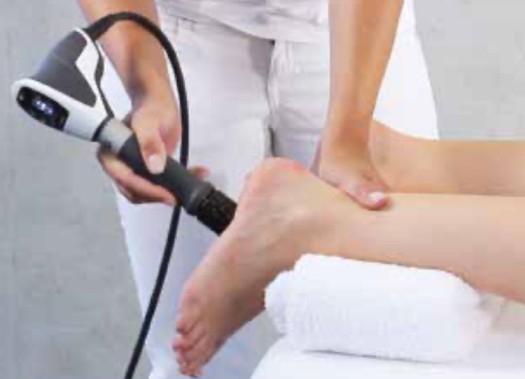
EPAT (Extracorporeal Pulse Activation Technology): A Drug-Free Solution for Chronic Plantar Fasciitis and Tendon Pain
Heel pain has a way of creeping into your life and refusing to leave. It may start as stiffness when you step out of bed in the morning. Then it turns into a sharp ache after a long day on your feet. Before you know it, walking becomes cautious, exercise is avoided, and simple routines revolve around pain.
For many people dealing with Plantar Fasciitisor stubborn tendon pain, traditional treatments only go so far. Rest helps briefly. Stretching offers temporary relief. Medications dull symptoms but do not solve the problem. When pain lingers for months, patients begin searching for something more effective but still non-invasive.
That’s where EPAT Foot Therapycomes in.
What Is EPAT?
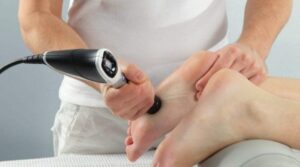
EPAT stands for Extracorporeal Pulse Activation Technology. It is an advanced, non-surgical treatment that uses acoustic pressure waves to stimulate healing in injured tissue. Unlike treatments that simply mask pain, EPAT targets the underlying cause by encouraging the body to repair itself.
This technology delivers high-energy sound waves directly to the painful area of the foot or ankle. These waves increase blood flow, stimulate tissue regeneration, and break up chronic inflammation that prevents healing.
EPAT is commonly used for:
- Chronic heel pain
- Plantar Fasciitis
- Achilles tendon pain
- Tendon injuries that have not responded to conservative care
Because EPAT works without drugs, injections, or surgery, it has become a preferred option for patients looking for effective relief with minimal disruption to daily life.
How EPAT Works: No Surgery, No Downtime
The science behind EPAT is simple but powerful. Chronic pain often exists because injured tissue does not receive enough blood flow to heal properly. EPAT changes that.
How the Technology Helps Healing
EPAT acoustic waves:
- Increase circulation to damaged tissue
- Stimulate the release of growth factors
- Break down scar tissue and calcifications
- Reduce inflammation
- Restart the body’s natural healing response
Instead of forcing the body to cope with pain, EPAT encourages recovery at the cellular level.
Why EPAT Is Different
Many treatments rely on repeated medication or invasive procedures. EPAT is different because:
- There are no incisions
- There is no anesthesia
- There is no recovery downtime
- Patients can walk immediately after treatment
This makes EPAT especially appealing for people who cannot take extended time off work or activity.
Is EPAT Right for My Pain?
EPAT is most effective for chronic conditions that have not improved with basic care. It is often recommended for patients who have tried rest, stretching, orthotics, or injections with little success.
Conditions That Respond Well to EPAT
Plantar Fasciitis
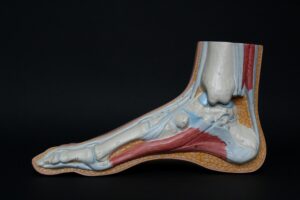
EPAT is widely recognized for its success in treating plantar fasciitis. By stimulating healing in the plantar fascia, EPAT helps reduce pain and stiffness, especially morning heel pain.
Chronic Heel Pain
Heel pain that persists for months often involves inflammation and micro-damage that needs more than rest to heal.
Achilles Tendon Pain
Tendon injuries respond well to EPAT because the therapy increases circulation in areas that normally heal slowly.
Tendonitis and Overuse Injuries
EPAT helps calm inflammation while promoting tissue repair, making it effective for long-standing tendon issues.
Patients searching for Bradenton EPAT Therapyoften choose this option because it offers meaningful relief without surgery or medication dependency.
What to Expect During a Treatment Session
One of the most common questions patients ask is, “Does EPAT hurt?”
Does EPAT Hurt?
EPAT is generally well tolerated. Patients feel rhythmic tapping or pressure during the session. Some areas may feel mildly uncomfortable, especially where pain already exists, but treatment intensity can be adjusted to keep it manageable.
Most patients describe the sensation as:
- Firm pressure
- Pulsing or tapping
- Brief discomfort that fades quickly
What a Session Looks Like
- Treatment is performed in the office
- Sessions typically last 10–15 minutes
- No needles or incisions are involved
- You can walk immediately afterward
Most treatment plans involve a short series of sessions spaced over several weeks. Improvement often begins gradually as healing takes place.
Why EPAT Is a Popular Choice for Chronic Pain
EPAT has become increasingly popular because it fits the needs of real life. People want solutions that work without forcing major changes to their schedule or routine.
Patients appreciate EPAT because:
- It is non-invasive
- It avoids long recovery periods
- It treats the cause, not just symptoms
- It supports natural healing
- It allows continued daily activity
At Florida Foot and Ankle, EPAT is offered as part of a comprehensive approach to foot and ankle care. Each patient is evaluated carefully to determine whether EPAT is the right solution or if another treatment would be more effective.
How EPAT Compares to Other Treatments
While EPAT is not the right option for every condition, it fills an important gap between conservative care and surgery.
Compared to Medications
EPAT treats the injured tissue directly instead of masking pain.
Compared to Steroid Injections
EPAT promotes healing without weakening tissue over time.
Compared to Surgery
EPAT avoids surgical risks, anesthesia, and long recovery periods.
For many patients, EPAT provides the relief they need without escalating to invasive procedures.
How Long Until Results Are Felt?
Healing is a process, not an instant fix. Most patients begin noticing improvement over several weeks as blood flow increases and tissue repair progresses.
Results depend on:
- Severity of the condition
- Duration of pain
- Activity level
- Adherence to treatment recommendations
While EPAT does not offer overnight results, it delivers something more valuable: lasting improvement that supports long-term foot health.
Say Goodbye to Chronic Pain
Living with heel pain does not have to be your new normal. If stretching, rest, and medications have failed to bring relief, EPAT may be the simple, non-invasive solution you have been looking for.
Whether you are struggling with Plantar Fasciitis, chronic heel pain, or tendon discomfort, EPAT Foot Therapyoffers a modern, drug-free path to healing.
If you are interested in Bradenton EPAT Therapy, now is the perfect time to ask questions and explore your options.
Ask about EPAT therapy during your next appointmentand take the first step toward walking comfortably again. Relief does not always require surgery. Sometimes, the right technology makes all the difference.