PRP, Stem Cells, and Shockwave Therapy: The Body’s Natural Way to Fight Chronic Pain and Inflammation
Chronic foot and ankle pain has a way of slowly taking over your life. At first, it’s manageable. A sore heel in the morning. A tight Achilles after activity. A stiff joint that aches when the weather changes. But over time, those small issues turn into daily limitations that affect how you walk, work, exercise, and even sleep.
For many patients, traditional treatments only go so far. Pain relievers mask symptoms. Injections wear off. Surgery feels like a last resort. That’s where Foot Regenerative Medicineis changing the conversation.
Instead of covering up pain or removing damaged tissue, regenerative medicine focuses on something far more powerful: helping your body heal itself.
What Is Regenerative Medicine?
Regenerative medicine is a modern medical approach that uses the body’s natural healing abilities to repair damaged tissue, reduce inflammation, and restore function. Rather than simply dulling pain signals or jumping straight to surgery, regenerative treatments work at the cellular level to address the root cause of chronic pain.
In foot and ankle care, regenerative medicine is especially valuable because tendons, ligaments, and joints often heal slowly due to limited blood flow. These therapies help jump-start the repair process where the body has stalled.
At its core, regenerative medicine aims to:
- Stimulate tissue repair
- Reduce chronic inflammation
- Improve blood flow and healing response
- Restore strength and function
- Avoid or delay invasive surgery
For patients dealing with lingering conditions like Plantar Fasciitis, Achilles Tendonitis, or Foot and Ankle arthritis, this approach offers a smarter path forward.
The Power of Platelet-Rich Plasma (PRP)
One of the most widely used regenerative treatments is Platelet-Rich Plasma, commonly known as PRP.
How PRP Works
PRP therapy begins with a small sample of your own blood. That sample is then processed in a specialized system to concentrate the platelets. Platelets are rich in growth factors, which play a key role in tissue repair and healing.
Once concentrated, the PRP is carefully injected into the injured area under precise guidance.
Those growth factors then:
- Signal damaged tissue to repair itself
- Reduce inflammation at the source
- Improve blood supply to slow-healing areas
- Support long-term tissue regeneration
Because PRP uses your own blood, the risk of reaction is extremely low.
Why PRP Is So Effective for Foot and Ankle Injuries
PRP is particularly effective for tendon and ligament problems that haven’t responded well to rest or physical therapy. Patients often choose PRP for conditions like:
- Chronic Plantar Fasciitis
- Achilles Tendonitis
- Tendon tears or degeneration
- Ligament injuries
- Early-stage arthritis
Instead of short-term relief, PRP focuses on long-term healing. While improvement is gradual, many patients experience lasting results that help them return to normal activity without ongoing pain management.
Stem Cell Therapy: Repairing Complex Damage
Stem cell therapy takes regenerative medicine a step further, especially for more advanced or complex conditions.
What Are Stem Cells?
Stem cells are unique because they can develop into different types of tissue. In regenerative medicine, they act as repair cells, helping the body rebuild damaged structures rather than just calming inflammation.
When introduced into an injured area, stem cells help:
- Repair damaged cartilage
- Support tendon and ligament healing
- Reduce joint inflammation
- Improve tissue quality over time
When Stem Cell Therapy Is Considered
Stem cell therapy is often used when injuries involve deeper tissue damage or joint degeneration, such as:
- Moderate to severe Foot and Ankle arthritis
- Chronic tendon damage that hasn’t responded to PRP
- Joint surface deterioration
- Long-standing pain affecting mobility
For patients hoping to avoid or delay surgery, stem cell therapy can offer meaningful improvement in comfort and function.

Shockwave Therapy: Activating the Healing Response
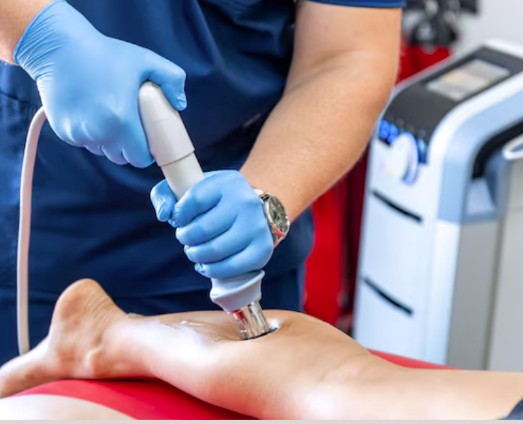
EPAT Shockwave therapy is another powerful tool in regenerative foot care. While it doesn’t involve injections, it plays an important role in stimulating healing.
How Shockwave Therapy Works
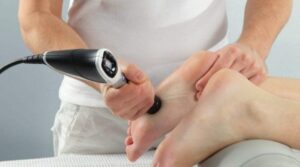
Shockwave therapy uses high-energy sound waves to target injured tissue. These waves stimulate blood flow, break up scar tissue, and trigger the body’s natural repair mechanisms.
Shockwave therapy helps by:
- Increasing circulation
- Reducing chronic inflammation
- Breaking down damaged tissue
- Encouraging new healing responses
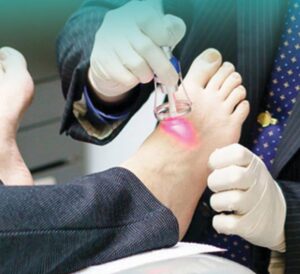
It is often used alone or in combination with PRP or stem cell therapy to improve outcomes.
Shockwave therapy has shown excellent results for Plantar Fasciitis, tendon pain, and stubborn injuries that resist traditional care.
Conditions Treated with Regenerative Medicine
Regenerative treatments are not one-size-fits-all. They are carefully selected based on diagnosis, severity, and patient goals. Some of the most common foot and ankle conditions treated include:
Chronic heel pain caused by inflammation or degeneration of the plantar fascia responds well to PRP and shockwave therapy, especially when conservative treatments have failed.
Because the Achilles tendon heals slowly, regenerative treatments are ideal for reducing inflammation and strengthening damaged tendon fibers.
PRP and stem cell therapy can help reduce joint inflammation, improve mobility, and slow the progression of arthritis.
Sprains, partial tears, and overuse injuries benefit from regenerative stimulation rather than repeated rest cycles.
Patients struggling with lingering pain after injury or surgery may find renewed healing through regenerative approaches.
This personalized, tissue-focused care is why regenerative medicine has become such a valuable option in modern podiatry.
Why Patients Are Choosing Regenerative Care
More patients are asking about regenerative medicine because it aligns with what they want most:
- Relief without major surgery
- Long-term healing, not temporary fixes
- Faster recovery timelines
- Fewer medications
- A more natural approach to care
At Florida Foot and Ankle, regenerative medicine is part of a comprehensive care philosophy. Every patient receives a detailed evaluation to determine whether regenerative treatments are appropriate or if another approach would be more effective.
This careful decision-making ensures that patients receive the right treatment at the right time.
What to Expect from Regenerative Treatment
Regenerative therapies are typically performed in-office and require little downtime. While healing takes time, many patients notice gradual improvement over weeks as the body repairs itself.
Results depend on:
- The condition being treated
- Severity of tissue damage
- Overall health
- Activity level
- Adherence to post-treatment guidance
The goal is not instant relief, but lasting improvementthat supports long-term mobility and comfort.
Heal Smarter, Not Harder
Living with chronic foot or ankle pain doesn’t mean you’re out of options. Regenerative medicine offers a modern, evidence-based way to treat injuries and inflammation by working with your body instead of against it.
If you’re struggling with Plantar Fasciitis, Achilles Tendonitis, Foot and Ankle arthritis, or another chronic condition, regenerative treatment may be the missing piece in your recovery.
Find out if regenerative treatment can help your chronic condition.A consultation can give you clear answers, personalized guidance, and a smarter path toward healing from within.
Your body already knows how to heal. Regenerative medicine helps it do exactly that.