
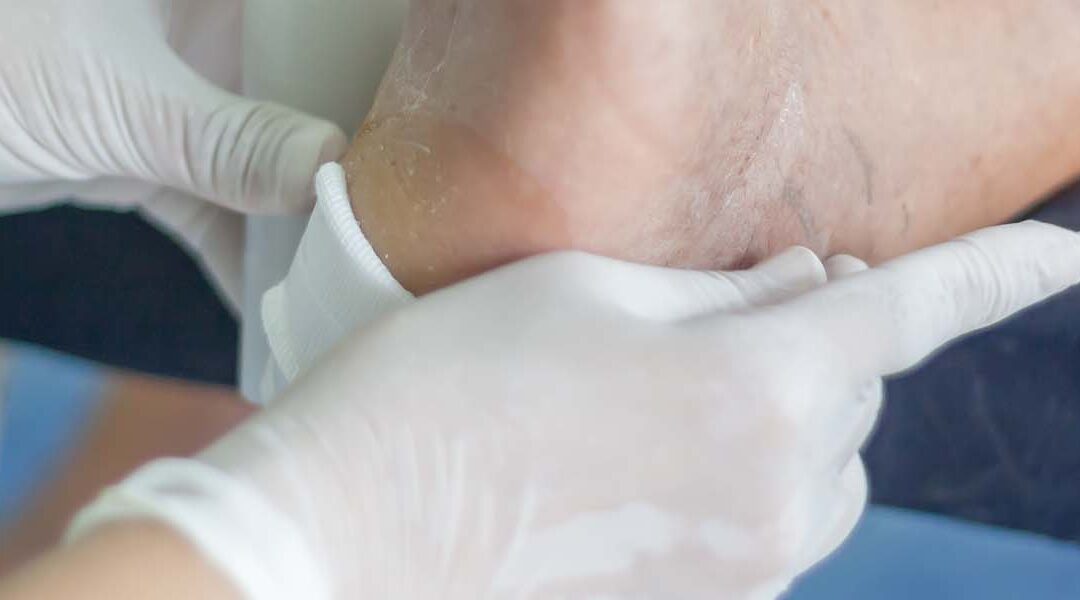
Preventing Diabetic Foot Ulcers: Why Daily Foot Checks Are the Most Important 5 Minutes of Your Day
For someone living with neuropathy, a tiny cut on the foot can become a serious medical problem faster than most people realize. What looks like a harmless scrape or blister can quietly worsen, turning into an open wound that refuses to heal. By the time pain shows up, damage may already be deep.
This is why Foot Neuropathy and foot wounds are such a dangerous combination, especially for people with diabetes. The risk is not just discomfort. It’s infection, hospitalization, and in severe cases, limb-threatening complications. The good news is that most of these problems are preventable with awareness, daily habits, and the right medical support.
The Danger of Lost Sensation
Neuropathy affects the nerves, most commonly in the feet. Over time, damaged nerves stop sending normal pain signals to the brain. This leads to numbness, tingling, burning, or complete loss of sensation.
The real danger is not the numbness itself. It’s what numbness allows to happen.
When sensation is reduced:
- A cut, blister, or puncture may go unnoticed
- Pressure points from shoes can break the skin
- Burns from hot surfaces or water may not be felt
- Small injuries can worsen over days or weeks
Without pain as a warning sign, the body loses its natural alarm system. People continue walking on an injured foot, causing the wound to deepen and spread. This is how minor injuries become major problems.
For this reason, patients with neuropathy are strongly encouraged to work closely with a Diabetic Foot Doctor who understands how nerve damage changes foot health and healing.

What Is a Foot Ulcer?
A foot ulcer is an open sore or break in the skin that does not heal properly. In people with neuropathy and diabetes, ulcers most often develop on the bottom of the foot or around pressure points.
Unlike normal cuts, ulcers:
- Heal very slowly
- Can extend deep into tissue
- Are prone to infection
- May not cause pain
- Can expose muscle or bone if untreated
Once bacteria enter an open wound, infection can spread quickly. Poor circulation and high blood sugar make it harder for the body to fight infection, which is why diabetic foot ulcers are considered a medical emergency.
Regular diabetic foot care Bradenton patients receive focuses on identifying these wounds early, before they become dangerous.
Why Neuropathy Makes Ulcers So Serious
Neuropathy and diabetes create a perfect storm for foot wounds.
- Loss of sensation means injuries are missed
- Poor circulation slows healing
- High blood sugar feeds bacteria
- Pressure from walking worsens wounds
Together, these factors increase the risk of deep infection, bone involvement, and long-term complications. The earlier a wound is detected, the easier it is to treat.
That’s why daily foot checks are not optional. They are essential.
Prevention Checklist for Neuropathy Patients
Preventing foot ulcers does not require complicated equipment or medical training. It requires consistency and awareness.
- Perform Daily Foot Checks
Spend five minutes each day inspecting your feet. Look for:
- Cuts or cracks
- Blisters
- Redness or swelling
- Drainage or odor
- Changes in skin color
- Calluses or pressure spots
Use a mirror to check the bottoms of your feet or ask for help if needed.
- Never Walk Barefoot
Even indoors, walking barefoot increases the risk of stepping on sharp objects or stubbing toes without feeling it.
- Choose the Right Shoes
Wear shoes that:
- Fit properly
- Have room in the toe box
- Do not rub or pinch
- Provide cushioning and support
Avoid tight shoes and inspect footwear for debris before putting them on.
- Protect Against Temperature Extremes
Neuropathy makes it hard to sense heat or cold. Avoid:
- Hot water bottles
- Heating pads on feet
- Walking on hot pavement
- Ice packs directly on skin
Always test water temperature with your hand, not your foot.
- Keep Skin Healthy
Dry, cracked skin can open the door to infection. Moisturize daily, but avoid lotion between the toes where moisture can lead to fungal infections.
These small habits dramatically reduce the risk of serious complications.
The Emergency Rule: When to Call the Doctor
If you have neuropathy or diabetes, do not wait when something looks wrong. Call your foot doctor immediately if you notice:
- Any wound that does not improve within a few days
- Redness spreading around a cut
- Drainage, pus, or odor
- Swelling or warmth
- Black or blue discoloration
- Fever or chills
Even a small wound can turn serious quickly. Early care saves tissue, prevents infection, and protects mobility.
Patients under consistent diabetic foot care Bradenton programs often avoid hospitalization simply because problems are caught early.

Why Regular Foot Exams Matter
Daily checks are critical, but professional evaluations are just as important. A trained provider can spot subtle issues that patients may miss, such as pressure changes, early skin breakdown, or circulation problems.
At Florida Foot and Ankle, routine foot exams are designed to:
- Monitor nerve sensation
- Check circulation
- Identify early skin changes
- Prevent ulcers before they form
- Educate patients on safe foot care
This proactive approach is key to long-term foot health for people with neuropathy.
Protect Your Feet, Protect Your Health
Your feet carry you through life. When neuropathy takes away sensation, protecting them becomes a daily responsibility, not an occasional task.
Five minutes a day can prevent:
- Infections
- Hospital stays
- Chronic wounds
- Loss of mobility
If you are living with Foot Neuropathy, working with a trusted Diabetic Foot Doctor, and staying consistent with diabetic foot care Bradenton, you are taking powerful steps toward protecting your health.
Schedule regular check-ups to catch wounds early. When it comes to neuropathy, early action is not just helpful. It’s life-changing.
Small habits today can prevent major problems tomorrow.