

Diabetic Foot Care: Spotting the Signs of Nerve Damage and Preventing Dangerous Foot Ulcers
Have you ever felt a strange tingling, burning, or numbness in your feet and brushed it off as “nothing serious”? You’re not alone. Many people experience these sensations and ignore them, until they start affecting daily life. What you might be feeling is peripheral neuropathy, a common but often misunderstood condition that deserves attention, especially if you have diabetes.
This guide breaks everything down in simple terms, helps you recognize early warning signs, and shows how proper diabetic foot carecan protect you from serious complications like foot ulcers.
What Is Peripheral Neuropathy (PN) in Simple Terms?
Peripheral neuropathy happens when nerves outside the brain and spinal cordbecome damaged. These peripheral nerves are responsible for sending messages between your brain and the rest of your body, especially your hands and feet.
When those nerves don’t work properly, the messages get scrambled. That’s why people with foot neuropathymay feel pain when nothing is touching them—or feel nothing at all when they should.
The feet are commonly affected because:
- They are farthest from the brain
- Nerves there are more vulnerable to damage
- Conditions like diabetes reduce blood flow and oxygen to nerves
Peripheral neuropathy can have several causes, including vitamin deficiencies, injuries, infections, and medications, but diabetes is by far the most common cause.
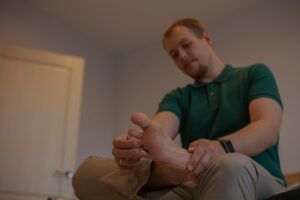
Key Warning Signs to Watch For
Peripheral neuropathy doesn’t always show up suddenly. In fact, it often starts quietly and worsens over time. Paying attention to early symptoms can make a huge difference.
Common signs include:
- Numbness or reduced sensationin the feet or toes
- Tingling or “pins and needles”feelings
- Burning or sharp, stabbing pain, especially at night
- A sensation that feels like you’re wearing socks or shoes when you’re not
- Increased sensitivity, light touch may feel painful
- Muscle weakness or balance problems
Because these symptoms can come and go, many people delay seeing a doctor. Unfortunately, ignoring them allows nerve damage to progress.
Why Peripheral Neuropathy Is a Big Deal, Especially with Diabetes
Peripheral neuropathy becomes particularly dangerous when paired with diabetes. High blood sugar damages nerves and reduces circulation, creating a perfect storm for foot problems.
Here’s why it matters so much:
You May Not Feel Injuries
With foot neuropathy, a small cut, blister, or pressure spot may go completely unnoticed. Something as minor as a pebble in your shoe can cause a wound.
Small Wounds Can Become Big Problems
When reduced blood flow slows healing, those unnoticed injuries can turn into open sores (foot ulcers). These ulcers are prone to infection and can become serious very quickly.
Risk of Infection and Amputation
Untreated ulcers and infections are one of the leading causes of lower-limb amputations in people with diabetes. The good news? Many of these outcomes are preventablewith early care.
This is why working with a diabetic foot doctoris so important—they’re trained to spot problems before they become emergencies.
Taking Control: Treatment and Prevention Steps
The good news is that while nerve damage can be serious, there’s a lot you can do to slow its progression and protect your feet.
- Keep Blood Sugar Under Control
For people with diabetes, stable blood sugar is the foundation of nerve health. Consistently high glucose levels worsen nerve damage over time. Following your treatment plan, eating balanced meals, and staying active all help.
- Check Your Feet Every Day
Make daily foot checks a regular part of your routine to catch potential problems early. Take a few minutes each day to carefully examine your feet for cuts or cracks, especially around the heels and between the toes, where issues can easily go unnoticed.
Pay close attention to any redness or swelling, as these can be early signs of irritation, pressure, or infection. Also look for blisters or calluses, which may seem minor but can quickly worsen if they rub against footwear or break open.
Finally, notice any changes in skin color or temperature, such as areas that appear unusually pale, dark, warm, or cool. These changes may indicate circulation or nerve issues. If it’s difficult to see the bottoms of your feet, use a mirror or ask a family member or caregiver for help, what you don’t see can still cause serious problems if ignored.
- Wear Proper Footwear
Choosing the right footwear plays a major role in protecting your feet, especially if you have reduced sensation. Shoes should fit well without being too tight or too loose, providing enough room for your toes to move comfortably. A proper fit helps prevent friction, pressure points, and blisters that can easily develop into wounds when sensation is diminished. Look for shoes with good cushioning and supportive soles to absorb shock and reduce stress on sensitive areas of the foot.
It’s equally important to avoid shoes that rub, pinch, or squeeze, even slightly. Seams, narrow toe boxes, or stiff materials can irritate the skin over time, leading to sores you may not immediately notice. Soft, breathable materials and properly designed diabetic or orthopedic shoes can offer added protection and comfort throughout the day.
Additionally, make it a habit to avoid walking barefoot, even at home. Small objects like splinters, sharp edges, or hot surfaces can cause injuries that go unnoticed if you have foot neuropathy. Wearing protective footwear or well-cushioned slippers indoors adds an extra layer of safety and significantly lowers the risk of cuts, burns, and infections.
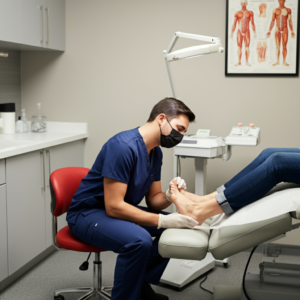
Don’t Self-Treat Foot Problems
Trimming calluses or trying to treat ingrown toenails on your own may seem harmless, but it can easily lead to cuts, open wounds, or infections, especially if you have reduced sensation in your feet. A diabetic foot care Bradentonis trained to safely manage these conditions using proper techniques and sterile tools, helping lower the risk of complications and keeping your feet healthy and protected.
Schedule Regular Foot Exams
Routine visits allow a podiatrist to closely test sensation and nerve function, helping identify early signs of nerve damage before symptoms become severe. These simple, painless tests are especially important for people with diabetes, as reduced sensation can develop gradually and go unnoticed.
During these visits, the podiatrist will also check circulationin your feet and lower legs. Healthy blood flow is essential for healing and overall foot health, and identifying circulation issues early can prevent slow-healing wounds and infections.
Regular exams make it possible to spot pressure points or subtle skin changes early, such as redness, thickened skin, or areas at risk for breakdown. When these concerns are addressed promptly, the chances of developing painful ulcers are greatly reduced.
Based on your foot structure and walking pattern, a podiatrist can also recommend custom inserts or appropriate footwear. Proper support and cushioning help redistribute pressure, protect sensitive areas, and keep your feet comfortable and safe throughout daily activities.
If you’re looking for expert diabetic foot care in Bradenton, regular checkups can be a powerful step toward long-term foot health.
Don’t Ignore the Numbness
Tingling, numbness, or burning in your feet is not “just part of getting older.” These sensations are your body’s warning signs. Peripheral neuropathy doesn’t usually fix itself—but early action can prevent serious complications.
If you have diabetes, even mild symptoms deserve attention. A simple foot exam can uncover problems you may not feel yet and help you avoid painful ulcers, infections, or worse. If you’re experiencing signs of foot neuropathy or managing diabetes, now is the time to act. Schedule a comprehensive diabetic foot exam with a qualified diabetic foot doctorand take a proactive step toward protecting your mobility, independence, and overall health.
Your feet carry you through life, give them the care they deserve.