A Simple Breakdown of Your Podiatrist’s Most Effective Non-Surgical Treatment Tools
If you’ve been dealing with ongoing foot pain, heel discomfort, or a stubborn foot problem that just won’t go away, chances are your podiatrist has mentioned EPAT, laser, or SWIFTtherapy. And that’s where the confusion usually starts.
They all sound advanced. They all sound effective. But how do you know which one is actually right for your condition?
The good news is—you don’t have to figure it out alone. This guide breaks down these modern treatment options in a clear, human way so you can understand whyone therapy might be recommended over another.
Too Many Options? We’ll Guide You
Modern podiatry has come a long way from injections, long recovery periods, and surgery being the only options. Today’s advanced therapies are non-invasive, targeted, and designed to help your body heal naturally.
But with progress comes choice—and that can feel overwhelming.
Patients often ask:
- “Is EPAT better than laser?”
- “Why didn’t SWIFT work for my friend but works for others?”
- “Do I need all three?”
The short answer: each therapy is designed for a very specific purpose. They’re not interchangeable, and the best results happen when the treatment matches the problem.
Let’s break them down one by one.
When Is EPAT the Answer?
When foot pain has been hanging around for months and refuses to improve, EPAT Foot Therapyis often the first option podiatrists consider. EPAT is especially effective for problems that sit deep within the foot, such as tendon and ligament injuries.
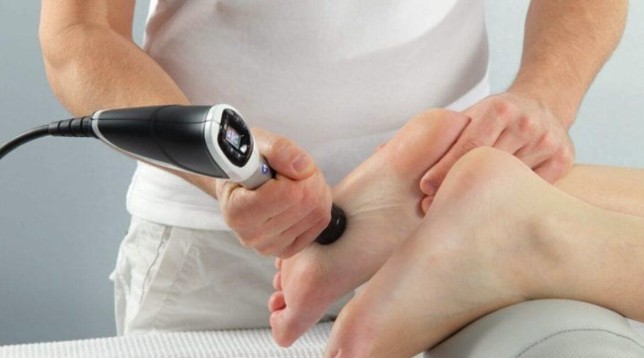
Rather than masking pain, EPAT sends rapid acoustic pulses into the affected area. These pulses increase blood flow and trigger a healing response in tissue that may have stopped repairing itself properly.
This therapy is commonly recommended for long-standing plantar fasciitis, Achilles tendon pain, heel spurs, and similar overuse injuries. Patients who feel intense stiffness in the morning or pain that worsens after activity often respond well to EPAT.
One of the reasons people appreciate EPAT is how straightforward it is. Treatments are quick, require no anesthesia, and don’t involve needles or incisions. While it’s not a magic overnight cure, many patients start noticing real improvement after just a few sessions.
When Laser Therapy Is the Better Choice?
Laser Foot Therapyworks in a much gentler way, but that doesn’t make it any less powerful. Instead of mechanical pulses, laser therapy uses focused light energy to calm inflammation and stimulate cell repair.
This approach is ideal when pain is linked to swelling, irritation, or nerve sensitivity rather than structural damage. Conditions such as arthritis discomfort, nerve pain, post-injury soreness, and even certain skin or nail concerns often respond extremely well to laser therapy.
Patients frequently comment on how relaxing laser treatments feel. There’s no discomfort, no recovery period, and no interruption to daily life. The warmth of the laser helps tissues relax while quietly encouraging healing beneath the surface.
For people who prefer a gentle approach or who are sensitive to other treatments, Laser Foot Therapycan be an excellent solution that still delivers meaningful results.

When SWIFT Is the Right Recommendation?
Some foot problems aren’t about pain or inflammation at all. When the issue is a persistent plantar wart that won’t respond to creams or freezing, Swift Foot Therapyis often the most effective option.
SWIFT uses targeted microwave energy to treat the wart at its core. Instead of cutting or burning the skin, the treatment activates the body’s immune response, allowing it to recognize and clear the virus responsible for the wart.
This makes Swift Foot Therapyparticularly useful for warts that have been present for a long time or that return again and again. Treatments are quick, highly focused, and don’t require dressings or downtime afterward.
While patients may feel a brief sensation during the session, the convenience and long-term results often outweigh the short discomfort. For stubborn warts, SWIFT addresses the root cause rather than just the surface.
Why Your Treatment Plan Should Be Personal
No two feet are exactly the same, and neither are the conditions that affect them. This is why the final decision should always come from a thorough podiatric assessment rather than guesswork or online comparisons.
A podiatrist looks at how long the problem has existed, how severe it is, how it affects your daily life, and how your body has responded to past treatments. In some cases, combining therapies can produce even better results, such as pairing EPAT with laser therapy to manage both tissue damage and inflammation.
The goal is never to use the most advanced technology just because it’s available. The goal is to use the treatment that gives you the best chance at lasting relief.
Choosing the Right Path to Relief
Advanced foot therapies have transformed the way chronic and stubborn foot problems are treated. The key is understanding that each option has a clear purpose.
EPAT Foot Therapyis ideal for deep, chronic tendon and ligament pain. Laser Foot Therapyworks best for inflammation, nerve pain, and surface-level healing. Swift Foot Therapyis the preferred solution for persistent plantar warts.
When the treatment matches the problem, recovery becomes smoother and far more effective. If you’re unsure which therapy is right for you, a proper diagnosis and professional guidance will always point you in the right direction—and help you get back on your feet with confidence.