How Platelet-Rich Plasma, Stem Cells, and Shockwave Therapy are helping patients avoid surgery and get back on their feet.
Living with chronic foot or ankle pain is often a journey of diminishing returns. It starts with a dull ache after a morning run or stiffness when you first step out of bed. Over time, that manageable discomfort evolves into a constant barrier, preventing you from hiking, playing sports, or simply walking through the grocery store without wincing.
For decades, the standard medical playbook for these issues has been limited: rest, take anti-inflammatories, wear a boot, or, if all else fails, undergo surgery. But today, a paradigm shift is occurring in podiatry. Foot Regenerative Medicine is bridging the gap between conservative care and invasive surgery, offering a solution that doesn’t just mask the pain—it actually helps repair the problem.
What Is Regenerative Medicine?
Regenerative medicine is a modern medical approach that uses the body’s natural healing abilities to repair damaged tissue, reduce inflammation, and restore function. Rather than simply dulling pain signals or jumping straight to surgery, regenerative treatments work at the cellular level to address the root cause of chronic pain.
 In foot and ankle care, regenerative medicine is especially valuable because tendons, ligaments, and joints often heal slowly due to limited blood flow. These therapies help jump-start the repair process where the body has stalled.
At its core, regenerative medicine aims to:
- Stimulate tissue repair
- Reduce chronic inflammation
- Improve blood flow and healing response
- Restore strength and function
- Avoid or delay invasive surgery
For patients dealing with lingering conditions like Plantar Fasciitis, Achilles Tendonitis, or Foot and Ankle arthritis, this approach offers a smarter path forward.
The Power of Platelet-Rich Plasma (PRP)
Platelet-Rich Plasma (PRP) is perhaps the most well-known regenerative therapy, often favored by elite athletes to cut down recovery time.
-
The Process: A small amount of your blood is drawn and spun in a centrifuge. This separates the red blood cells from the plasma, creating a golden liquid highly concentrated with platelets.
-
The Science: Platelets are packed with growth factors—proteins that act as construction managers for tissue repair. When injected into an injured tendon or ligament, they recruit the body’s repair mechanisms to the site, reducing inflammation and accelerating tissue regeneration.
-
Best For: Chronic Achilles tendonitis, plantar fasciitis, and ligament sprains.
Why PRP Is So Effective for Foot and Ankle Injuries
PRP is particularly effective for tendon and ligament problems that haven’t responded well to rest or physical therapy. Patients often choose PRP for conditions like:
- Chronic Plantar Fasciitis
- Achilles Tendonitis
- Tendon tears or degeneration
- Ligament injuries
- Early-stage arthritis
Instead of short-term relief, PRP focuses on long-term healing. While improvement is gradual, many patients experience lasting results that help them return to normal activity without ongoing pain management.
Stem Cell Therapy: Rebuilding the Foundation
For more complex degeneration, stem cell therapy offers a powerful alternative to joint replacement or fusion.
-
The Science: Stem cells are “blank slate” cells with the unique ability to transform into different types of tissue. When applied to a damaged joint, they can help modulate the immune response, reduce scarring, and support the repair of cartilage and connective tissue.
-
Best For: Osteoarthritis of the ankle or big toe, severe tendon tears, and joint deterioration that hasn’t responded to other treatments.
When Stem Cell Therapy Is Considered
Stem cell therapy is often used when injuries involve deeper tissue damage or joint degeneration, such as:
- Moderate to severe Foot and Ankle arthritis
- Chronic tendon damage that hasn’t responded to PRP
- Joint surface deterioration
- Long-standing pain affecting mobility
For patients hoping to avoid or delay surgery, stem cell therapy can offer meaningful improvement in comfort and function.
Shockwave Therapy: The Non-Invasive Spark
Extracorporeal Pulse Activation Technology (EPAT), or shockwave therapy, is a completely non-surgical option that uses pressure waves to treat pain.
-
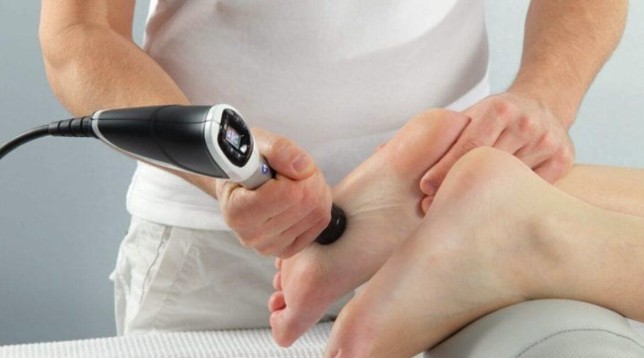
The Process: A handheld device delivers high-energy sound waves deep into the tissue.
-
The Result: These waves create “micro-trauma” that tricks the body into thinking a new injury has occurred, triggering a rush of blood flow and metabolic activity to an area that has become dormant and scarred.
-
Best For: Breaking up scar tissue in plantar fasciitis and chronic tendinopathies.
How Shockwave Therapy Works
 Shockwave therapy uses high-energy sound waves to target injured tissue. These waves stimulate blood flow, break up scar tissue, and trigger the body’s natural repair mechanisms.
Shockwave therapy helps by:
- Increasing circulation
- Reducing chronic inflammation
- Breaking down damaged tissue
- Encouraging new healing responses
It is often used alone or in combination with PRP or stem cell therapy to improve outcomes.
Shockwave therapy has shown excellent results for Plantar Fasciitis, tendon pain, and stubborn injuries that resist traditional care.
Who Is a Candidate?
Regenerative medicine is not a magic wand, but it is a game-changer for patients who feel “stuck” in their recovery. You might be an ideal candidate if:
-
You have been dealing with pain for more than 3-6 months.
-
Physical therapy and rest have provided only temporary relief.
-
You want to avoid the downtime and risks associated with surgery.
-
You are suffering from conditions like Plantar Fasciitis, Achilles Tendinitis, Ankle Arthritis, or Ligament Instability.
The Future of Foot Care
The goal of modern podiatry is no longer just to numb the pain; it is to restore function. Regenerative medicine offers a path where the treatment is as natural as the body itself.
By choosing to heal from within, you aren’t just patching up an injury—you are investing in the long-term health and mobility of your foundation. If chronic pain is keeping you on the sidelines, it may be time to ask your specialist if regenerative therapy can get you back on your feet.
 Why Patients Are Choosing Regenerative Care
Patients are increasingly turning to regenerative medicine, seeking solutions that offer:
- Lasting relief without the need for major surgery
- Genuine, long-term healing over temporary fixes
- Quicker recovery times
- Reduced reliance on medication
- A more natural, holistic path to wellness
At Florida Foot and Ankle, we integrate regenerative medicine into our comprehensive care philosophy. We conduct a thorough evaluation for every patient to determine if regenerative therapies are the most suitable option, or if another treatment would yield better results.
This meticulous, patient-first approach ensures you receive the most effective treatment at the ideal time for your healing journey.
Heal Smarter with Regenerative Medicine
Chronic foot or ankle pain doesn’t have to limit your options. Regenerative medicine provides a cutting-edge, evidence-backed approach to treating injuries and inflammation by enhancing your body’s natural healing abilities. Whether you’re dealing with Plantar Fasciitis, Achilles Tendonitis, Foot and Ankle Arthritis, or another persistent condition, regenerative treatments could be the breakthrough you’ve been searching for. Could regenerative medicine be right for you? A consultation can provide clear answers, tailored advice, and a smarter path to recovery—helping you heal from within. Your body is designed to heal itself. Regenerative medicine empowers it to do so, naturally and effectively.