

If you’ve ever tried to take a step and felt sharp discomfort in your big toe, you know how frustrating it can be. Maybe the joint feels stiff when you walk. Maybe it hurts when you push off the ground. Or perhaps you’ve noticed a bump forming near the top of the joint that seems to limit movement.
Many people ignore these symptoms at first, assuming the discomfort will go away on its own. But when bending your toe becomes difficult or painful, the problem could be something called hallux rigidus, a condition that affects the joint at the base of the big toe.
Understanding why this happens and how it’s treated can help you prevent worsening pain and regain comfortable movement.

What Is Hallux Rigidus?
Hallux rigidus is a form of arthritis that develops in the joint at the base of the big toe. Over time, cartilage inside the joint begins to wear down. Without that protective cartilage, bones rub together and cause inflammation, stiffness, and restricted movement.
One of the earliest signs people notice is a stiff big toe joint that doesn’t bend the way it used to.
Because the big toe plays a major role in walking, this loss of motion can affect everyday activities like climbing stairs, exercising, or even standing for long periods.
In more advanced cases, bone growths may form around the joint, further limiting flexibility and increasing discomfort.
Why the Big Toe Joint Matters So Much
The big toe joint carries a large portion of your body weight during movement. Each step requires the toe to bend upward slightly as you push off the ground.
When arthritis develops in this joint, that motion becomes painful.
Many patients first notice pain when pushing off foot during walking or running. Instead of a smooth step, movement feels restricted or sharp.
Over time, people may adjust how they walk to avoid discomfort. Unfortunately, that compensation can place additional strain on other areas of the body, including the ankles, knees, and hips.
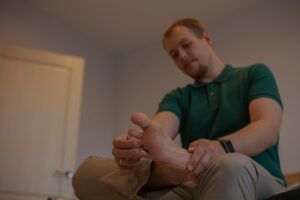
Common Symptoms of Hallux Rigidus
Hallux rigidus develops gradually, and symptoms often worsen over time.
Common signs include:
- A stiff big toe joint that becomes harder to bend
- Pain during walking or running
- Discomfort when pushing off the ground
- Swelling around the joint
- A bump on the top of the toe joint
- Reduced range of motion
In more advanced stages, the joint may feel almost frozen, making normal walking difficult.
What Causes Hallux Rigidus?
Several factors can contribute to the development of arthritis in the big toe joint.
Repetitive Stress and Sports Activity
Certain activities place repeated stress on the toe joint. Athletes, runners, and people who participate in high-impact activities may experience earlier wear in the joint.
In some cases, a sports injury involving the big toe can damage cartilage and eventually lead to arthritis.
Structural Foot Mechanics
Some people are naturally more prone to hallux rigidus because of the way their foot is structured. Limited joint mobility, abnormal foot mechanics, or flat arches can increase pressure on the toe joint.
Previous Injuries
Past injuries that seemed minor at the time can contribute to joint damage later in life.
Genetics
Family history may also play a role. If relatives have experienced big toe joint arthritis, your risk may be higher.
The Role of Bone Spurs
As arthritis progresses, the body sometimes responds by creating extra bone growth around the joint.
These growths are known as bone spurs on top of foot near the big toe joint.
Bone spurs can further restrict motion and make it painful to bend the toe upward. In some cases, they may also rub against shoes, causing irritation.
Many patients first notice these bone spurs as a small bump on the top of the joint.

Why Hallux Rigidus Doesn’t Improve on Its Own
Unlike minor injuries that heal with rest, hallux rigidus is a degenerative condition. Once cartilage begins to wear down, the joint will not return to normal without treatment.
Over time, symptoms often progress from occasional stiffness to constant discomfort.
That’s why early evaluation is important. Addressing the condition sooner can help preserve joint motion and slow further deterioration.
How Hallux Rigidus Is Diagnosed
Diagnosis usually begins with a physical examination and imaging studies.
An X-ray allows specialists to:
- Assess cartilage loss
- Identify bone spurs on top of foot near the joint
- Evaluate joint alignment
- Determine the stage of arthritis
At Florida Foot and Ankle, on-site imaging helps provide immediate answers so patients can begin treatment without delay. Accurate diagnosis is key to developing an effective plan for big toe arthritis treatment.
Non-Surgical Treatment Options
Many patients find relief with conservative care, especially when the condition is identified early.
Footwear Modifications
Shoes with stiff soles or rocker-bottom designs can reduce pressure on the big toe joint.
Custom Orthotics
Orthotics can help improve foot mechanics and reduce strain on the joint during walking.
Anti-Inflammatory Medications
Medications may help reduce swelling and discomfort during flare-ups.
Activity Modifications
Limiting activities that cause repetitive stress on the toe joint may slow progression.
These strategies often form the first step in big toe arthritis treatment plans.
The Remy Class IV Laser Therapy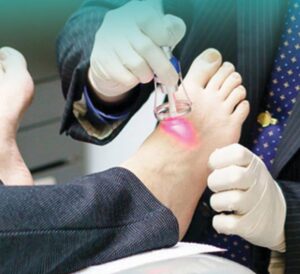
The Remy Laser is a class IV laser therapy that helps manage hallux rigidus, or stiff toe, by reducing pain and inflammation, thus improving joint mobility. Its non invasive and painless non surgical option for those suffering with pain and stiffness of the big toe. In just a couple of sessions, this therapy helps to stimulate tissue repair and increasing cartilage flexibility. A great option for those looking for advanced therapy treatment.
When Surgery May Be Recommended
If non-surgical care does not provide enough relief, surgical options may be considered.
The type of surgery depends on the severity of the arthritis.
Possible procedures include:
- Removing bone spurs to improve joint motion
- Cleaning the joint to reduce inflammation
- Joint fusion to eliminate painful movement
- Joint replacement in select cases
The goal of surgery is to reduce pain and restore function so patients can return to normal activities.
Protecting Your Big Toe Joint
Preventing further damage involves a combination of proper footwear, activity awareness, and early treatment.
Some helpful strategies include:
- Wearing supportive shoes with adequate toe space
- Avoiding tight footwear that compresses the joint
- Maintaining flexibility through gentle stretching
- Addressing injuries promptly
These steps can help reduce stress on the joint and improve long-term mobility.
When to Seek Professional Help
If you notice symptoms such as:
- Persistent stiffness in the big toe
- Pain when pushing off foot while walking
- Swelling or tenderness around the joint
- A growing bump near the top of the toe
It’s time to schedule an evaluation.
Early treatment can prevent worsening arthritis and improve overall foot function.

Don’t Ignore a Stiff Big Toe
A stiff big toe joint might seem like a minor inconvenience at first. But when left untreated, it can gradually affect how you walk and move throughout the day.
Whether symptoms began after a sports injury or developed gradually over time, identifying the problem early allows for more effective big toe arthritis treatment.
If bending your toe has become difficult or painful, professional evaluation can help determine the cause and guide the right treatment plan.
Your feet support every step you take. Taking care of your big toe joint today can help keep you moving comfortably for years to come.